Enhanced immune function, improved cognitive clarity, and reduced inflammation are some of the primary answers to what are the benefits of functional mushrooms. These natural fungi provide adaptogenic support to help the body manage stress; furthermore, they are known to boost physical energy and protect overall brain health.
Modern life often leaves us navigating a persistent fog of mental fatigue and fluctuating energy levels. While many reach for temporary stimulants, these fleeting solutions frequently overlook the underlying physiological need for resilience. This is where functional mushrooms offer a sophisticated alternative. These bioactive fungi are not merely dietary supplements; they are powerful adaptogens that support the body's ability to maintain equilibrium under stress. In this guide, we will explore the therapeutic potential of the core five mushroom species and examine the scientific evidence supporting their roles in cognitive and immune health. Beyond simple benefits, we will provide the practical framework necessary to evaluate supplement potency. You will learn how to distinguish high quality extracts from inferior fillers, ensuring that your wellness routine is grounded in efficacy and clinical integrity.
Defining Functional Mushrooms: Nature's Original Adaptogens

Functional mushrooms represent a distinct category from the culinary varieties, such as cremini or portobello, typically found in the produce aisle. While culinary mushrooms offer basic nutritional value, functional species contain specific bioactive compounds like beta-glucans and triterpenoids that interact with our biological systems in more complex ways. Many of these are classified as adaptogens; these are unique natural substances that assist the body in adapting to environmental or internal stressors and maintaining a state of homeostasis. Understanding what are the benefits of functional mushrooms begins with recognizing their role as biological response modifiers rather than simple food sources.
A frequent concern for those new to this field is whether these fungi are psychoactive. It is important to clarify that functional mushrooms are non-intoxicating and entirely distinct from psilocybin mushrooms. They do not cause a high or alter perception, making them safe for daily use in a professional or family setting. Our curated selection of wellness products reflects the Adair Health philosophy that these fungi are tools for sustainable health. We emphasize a move away from the quick fix mentality, viewing these mushrooms instead as foundation building supplements. For individuals seeking knowledgeable guidance for families, we focus on how these natural tools can be integrated into a consistent routine to build long term resilience and balance.
The Core Five: What are the Benefits of Functional Mushrooms for Your Body?
Building on the understanding that these fungi act as adaptogens, we can look at the specific physiological pathways influenced by the most prominent species. To fully grasp what are the benefits of functional mushrooms, it is helpful to categorize them by their primary biological targets, as each offers a unique chemical profile. At Adair Health, we focus on the five most researched varieties to ensure our customers receive grounded, evidence-based results.
Lion’s Mane (Hericium erinaceus) is the preferred choice for those requiring cognitive clarity. Unlike many brain supplements that simply provide a temporary stimulant effect, Lion’s Mane contains hericenones and erinacines. These compounds are capable of crossing the blood-brain barrier to stimulate the production of Nerve Growth Factor (NGF), a protein essential for the growth, maintenance, and survival of neurons. We often recommend this to students and knowledge workers who need to sustain high levels of focus and mental resilience throughout the day.
Reishi (Ganoderma lucidum), frequently referred to as the Queen of Mushrooms, serves as a master regulator for the nervous system. It is rich in triterpenes, which are bioactive compounds that help the body down-regulate after stress and promote deeper, more restorative sleep. While other mushrooms may provide a lift, Reishi acts as a grounding tool, making it ideal for high-stress professionals or anyone struggling with the mental fatigue of a busy household.
Cordyceps (Cordyceps militaris) targets cellular energy and is a staple for the athlete or physically active individual. It works by increasing the body's production of adenosine triphosphate (ATP), the primary molecule for delivering energy to our cells. This improves the efficiency of oxygen utilization during physical exertion. By supporting VO2 max and cellular respiration, Cordyceps helps sustain endurance and shortens the recovery period between workouts.
Chaga (Inonotus obliquus) is unmatched in its antioxidant capacity. It holds one of the highest ORAC (Oxygen Radical Absorbance Capacity) scores ever recorded in a natural food source. This means it is exceptionally effective at neutralizing free radicals that cause oxidative stress and cellular damage. For those focused on long-term longevity and systemic protection, Chaga provides a powerful defense against environmental toxins.
Turkey Tail (Trametes versicolor) focuses on the critical intersection of the gut and the immune system. It contains two specific polysaccharopeptides, PSP and PSK, which have been extensively studied for their ability to prime white blood cells. Because a vast majority of the human immune system is located in the gut, Turkey Tail acts as a prebiotic-like agent, nourishing the microbiome to support a balanced immune response.
Mushroom | Primary Bioactive Target | Ideal Lifestyle Goal |
|---|---|---|
Lion's Mane | Nerve Growth Factor (NGF) | Cognitive focus and memory |
Reishi | Triterpenes | Stress management and sleep |
Cordyceps | Adenosine Triphosphate (ATP) | Athletic performance and vitality |
Chaga | High ORAC / Antioxidants | Cellular protection and longevity |
Turkey Tail | PSP and PSK | Gut health and immune defense |
Selecting the right mushroom depends entirely on your personal health objectives. If you are unsure which profile matches your current needs, you can contact us for supplement advice to find a targeted solution from our curated selection of wellness products.
Scientific Insights: Evidence for Immune and Brain Health
Understanding what are the benefits of functional mushrooms through a clinical lens helps move the conversation from anecdotal success to biological fact. Research indicates that the primary drivers behind these physiological shifts are complex polysaccharides known as 1,3/1,6 beta-glucans. These compounds do not merely stimulate the immune system in a linear fashion; instead, they act as immunomodulators. By binding to specific receptors on white blood cells, such as macrophages and natural killer cells, beta-glucans prime the immune response. This biological priming prepares the body to identify and neutralize pathogens more effectively while avoiding the risks associated with overstimulation or chronic inflammation.
Beyond the immune system, the neuroprotective properties of certain species are gaining significant clinical attention. Studies cited by institutions like UCLA and health resources like GoodRx highlight how specific fungal compounds can penetrate the blood-brain barrier to support long-term cognitive resilience. This is particularly evident with Lion’s Mane, which stimulates the synthesis of Nerve Growth Factor (NGF). This process is critical for maintaining neuroplasticity, which is the brain's ability to repair and form new neural connections throughout life.
Maintaining these neural pathways is essential for protecting against age-related cognitive decline and supporting daily mental performance. When you integrate these mushrooms into a routine, you are providing your body with the raw materials needed for cellular repair and maintenance. For those looking to implement these findings, our knowledgeable guidance for families can help you navigate the research and select the right concentrations for your specific health needs. This scientific foundation ensures that your supplement choices are grounded in biology rather than marketing trends.
Quality Control: How to Choose a Potent Mushroom Supplement
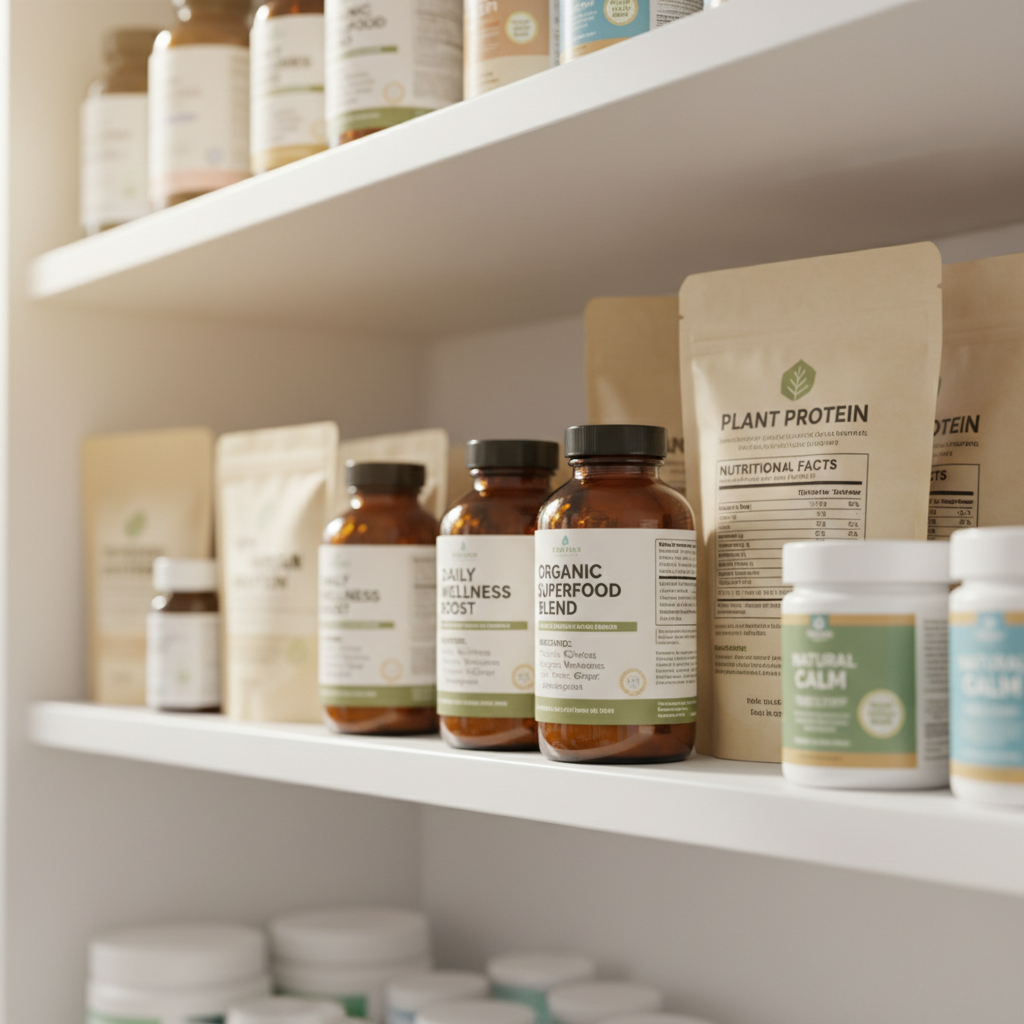
The biological efficacy of these fungi is not guaranteed by their presence on a label; it is determined by the specific parts of the fungus used and the rigor of the processing methods. To ensure you are receiving the actual medicinal compounds discussed in the research, you must distinguish between the fruiting body and mycelium on grain. The fruiting body is the fully developed cap and stem of the mushroom, which contains the highest concentration of beta-glucans and triterpenes. Conversely, many mass-market manufacturers use mycelium, the root-like structure, grown on a substrate of rice, oats, or barley. Because the grain is never removed, the final powder can consist of up to 60 percent or 70 percent starch, significantly diluting the active ingredients.
When evaluating a product, look closely at the nutritional panel for transparency regarding specific compounds. A common marketing tactic is to list a high percentage of "polysaccharides." However, starch is a polysaccharide. A product grown on grain can show a high polysaccharide count that is almost entirely composed of alpha-glucans (starch) rather than the medicinal beta-glucans. At Adair Health, we prioritize products that explicitly state their beta-glucan content, ensuring you are paying for fungal medicine rather than agricultural fillers.
Feature | Fruiting Body Extract | Mycelium on Grain |
|---|---|---|
Primary Content | Concentrated beta-glucans | High starch (alpha-glucans) |
Purity | 100% mushroom | Includes grain fillers |
Potency | High therapeutic value | Low therapeutic value |
Bioavailability | High (if extracted) | Often low |
Bioavailability is the final critical factor. Fungal cell walls are made of chitin, a tough fiber that humans cannot digest. To unlock the beneficial compounds, the mushroom must undergo an extraction process. We recommend a dual extraction method, which uses both hot water and alcohol. Hot water extracts the water-soluble beta-glucans, while alcohol is necessary to pull out fat-soluble compounds like the triterpenes found in Reishi. Without this process, the beneficial molecules remain trapped and pass through the body unabsorbed. For those seeking knowledgeable guidance for families on navigating these labels, our team ensures that every item in our curated selection of wellness products meets these strict standards for purity and extraction.
Practical Ways to Start Your Mushroom Routine

Choosing a delivery method depends on your lifestyle and flavor preferences. Capsules provide the most precise dosing and are ideal for those with busy schedules. Powders offer versatility, allowing you to mix extracts into smoothies or morning oatmeal. Functional mushroom coffee is a popular option for habit stacking, replacing or enhancing your standard caffeine routine with Cordyceps or Lion's Mane. For those who prefer a more palatable option, gummies provide a convenient way to integrate these fungi, though you should always check labels for added sugars that might counteract your wellness goals.
Timing is essential to maximize the physiological effects of these adaptogens. Use energizing varieties like Cordyceps and Lion's Mane in the morning or early afternoon to support vitality and cognitive flow. Save calming mushrooms, specifically Reishi, for the evening to help the nervous system down-regulate before sleep.
Goal | Suggested Stack | Primary Timing |
|---|---|---|
Focus & Clarity | Lion's Mane | Morning |
Immune Support | Turkey Tail | Morning or Mid-day |
Stress Recovery | Reishi | Evening |
For those just beginning to explore what are the benefits of functional mushrooms, we recommend a simple focus and immunity stack consisting of Lion's Mane and Turkey Tail. Consistency is the most important factor in any fungal regimen. Unlike synthetic stimulants, these bioactive compounds require a saturation period to modulate biological systems. Most individuals will notice cumulative benefits after two to four weeks of daily use. If you need a personalized protocol, you can contact us for supplement advice or visit us for knowledgeable guidance for families to explore our curated selection of wellness products.
Are Functional Mushrooms Safe for Everyone?
While investigating what are the benefits of functional mushrooms, it is vital to remember that natural compounds are still pharmacologically active. For example, Reishi possesses mild anticoagulant properties, which may interact with blood thinning medications. Additionally, because mushrooms like Turkey Tail modulate the immune system, individuals with autoimmune disorders or those on immunosuppressants should proceed with professional oversight.
Due to a lack of clinical data regarding pregnancy and breastfeeding, we advise consulting your primary physician before use. Our team provides knowledgeable guidance for families at Adair Health in Duchesne to ensure your supplement stack aligns safely with your medical history. You can also contact us for supplement advice to discuss how specific extracts might interact with your current wellness regimen. These fungi are powerful tools, and their efficacy is best realized when integrated thoughtfully and safely into your daily routine.